


Flywing
FlyWing EC-135 470L ACE GPS Scale RC Helicopter RTF - Black & White
FlyWing EC-135 470L ACE GPS Scale RC Helicopter RTF - Black & White
Low stock
⚡ Ships Fast from Massachusetts
Couldn't load pickup availability
- Ships from USA
- RC Specialists
- Local Pickup
FlyWing EC-135 470L ACE GPS Scale RC Helicopter
The FlyWing EC-135 470L recreates the distinctive appearance of the Airbus EC135 in a detailed, ready-to-fly scale RC helicopter. Its black-and-white fuselage, four-blade main rotor and enclosed ducted tail rotor capture the recognizable profile of the full-size aircraft.
FlyWing's ACE flight controller and M10 GPS system provide assisted positioning, stable hovering and attitude stabilization for a controlled and approachable scale-flight experience. This makes the EC-135 suitable for pilots who want the appearance of a scale helicopter without the demanding handling normally associated with a conventional scale model.
Inspired by the Full-Size EC135
The full-size EC135 is a twin-engine light utility helicopter developed from the MBB BO 108 and introduced by Eurocopter, now Airbus Helicopters. It is widely used for emergency medical service, law enforcement, search and rescue, business transportation, tourism and military training.
One of its most recognizable features is its enclosed Fenestron-style tail rotor. FlyWing reproduces this distinctive design along with the aircraft's streamlined fuselage and four-blade main rotor system to create a convincing scale appearance.
Key Features
- Detailed EC-135 scale fuselage in black and white
- 470L-size ready-to-fly RC helicopter
- FlyWing ACE flight controller
- M10 GPS positioning system
- GPS-assisted position holding and hovering
- Attitude-stabilized flight mode
- Four-blade scale main rotor system
- Enclosed ducted tail rotor
- Realistic aviation lighting
- Brushless power system
- Factory-assembled RTF configuration
Product FAQ
What is the FlyWing EC-135?
The FlyWing EC-135 is a 470L-size scale RC helicopter modeled after the full-size
Airbus EC135. It combines a detailed scale fuselage, four-blade main rotor and
enclosed tail rotor with FlyWing's ACE GPS-assisted flight-control system.
Does the EC-135 support GPS-assisted flight?
Yes. Its ACE flight controller uses M10 GPS positioning to assist with stable
hovering and position holding in suitable outdoor conditions. GPS assistance
requires a reliable satellite lock before takeoff.
What is the difference between GPS and attitude modes?
GPS mode assists with position and altitude holding. Attitude mode provides
self-leveling assistance but does not automatically hold the helicopter at a
fixed horizontal position.
Does the model use a ducted tail rotor?
Yes. The model reproduces the full-size EC135's distinctive enclosed tail-rotor
design. This is an important part of its scale appearance and differentiates it
from helicopters using a conventional exposed tail rotor.
Is this helicopter ready to fly?
Yes. This is the RTF configuration and arrives factory assembled with its matched
control system. Always verify the included package contents, charge the required
batteries and complete all prescribed setup, calibration and preflight procedures
before flying.
Who is the FlyWing EC-135 intended for?
It is intended for RC pilots seeking a detailed scale helicopter with GPS-assisted
stability. Although the stabilization system makes it more approachable than a
traditional unstabilized scale helicopter, it remains a large, powerful RC aircraft
and must be operated responsibly in a suitable open flying area.
Are the full-size EC135 specifications applicable to this model?
No. Published figures such as the full-size aircraft's takeoff weight, cruising
speed, range and service ceiling describe the real Airbus helicopter—not the
FlyWing RC model.
Important GPS Operating Information
GPS-assisted flight requires a strong satellite lock and an open outdoor flying area. Always follow the FlyWing manual, complete the required compass calibration and preflight checks, and maintain control of the helicopter throughout the flight. GPS assistance does not replace safe piloting practices.
Share


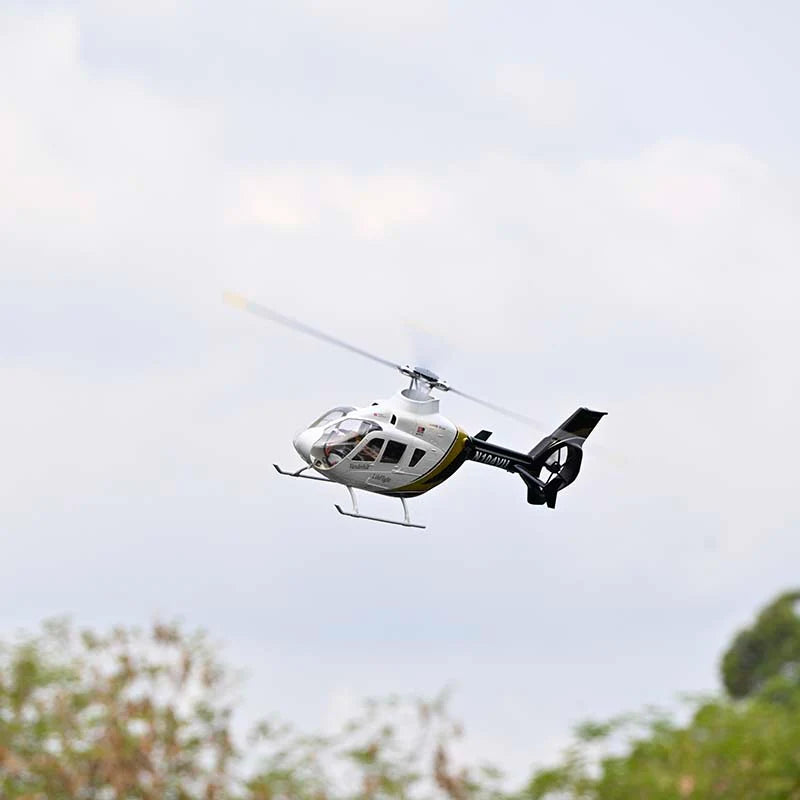
I am very pleased with my EC135. Right out of the box. No problems. Flies perfectly. I really enjoy it! So much fun.